If You Don't Name Your Story, Someone Else Will
This week Meta launched camera-free AI glasses. The reason is not a technical one. For months, the public had a nickname for its camera glasses: "pervert glasses", after reports of people recording others without consent (TechCrunch, Decrypt). One of the most powerful companies on earth ended up shipping a new product to escape a label it never chose.
I watch founders make the same mistake on a much smaller stage, and it usually happens in front of a camera. They get the TV interview they've worked for, walk on set with a head full of facts, and let the host decide what their story is. So if you're wondering how to prepare for a TV interview, start here: your job is not to answer questions. Your job is to leave the studio with the audience repeating the one sentence you chose.
I've sat with founders, executives and experts before live business segments, and the difference between a clip that builds authority and one that disappears is almost never talent. It's preparation. Here's the playbook I use.
How to Prepare for a TV Interview: The Week Before
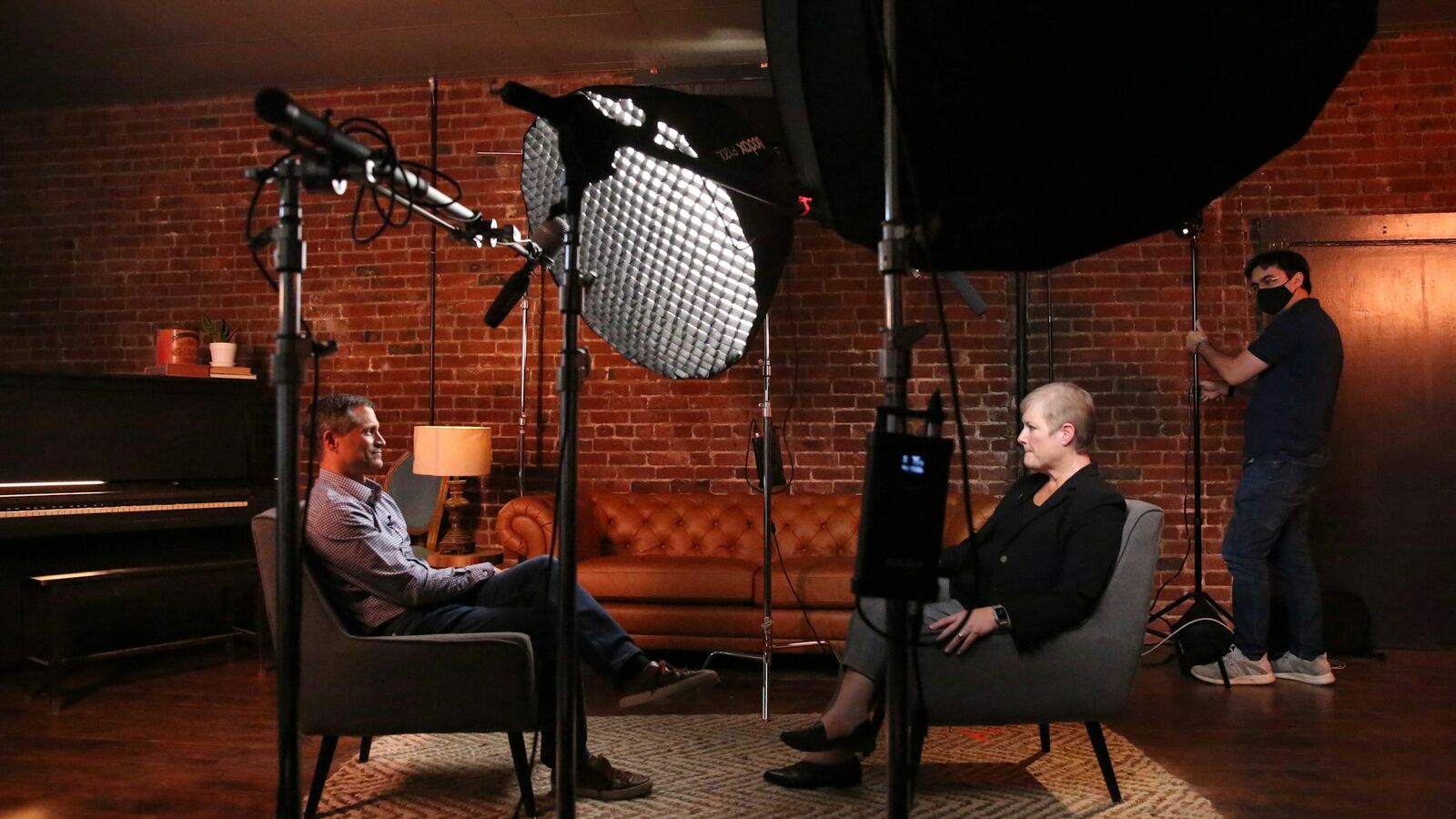
Most of the work happens before you ever see a camera. A business TV interview segment is short, and the host controls the clock. You don't get to warm up.
1. Write your one sentence first
Before anything else, write the single line you want viewers to remember. Not your pitch deck. One sentence, under 20 words, that a stranger could repeat at dinner.
A weak version: "We're an AI-powered platform optimizing operational efficiency for mid-market logistics." A strong version: "Most trucks drive a third of their miles half empty. We fill them." (The fact in your line must be true for your business, and you should be able to back it up.)
Every answer you give on air should find its way back to that sentence. This is the core of what I call narrative architecture: you design the story before anyone else gets to frame it.
2. Build three soundbites, not thirty facts
Founders over-prepare data and under-prepare language. Pick three proof points and turn each into a soundbite:
- A number people can picture ("We went from two clients to two hundred in 18 months").
- A contrast that shows you see what others miss ("Everyone is chasing traffic. The money is in trust").
- A short story with a real person in it, told in three sentences.
Rehearse each one out loud until it sounds like conversation, not a script.
3. Prepare for the questions you'd rather avoid
Meta's glasses problem started as a question nobody at the company wanted to answer. Yours will too. List the five hardest questions a sharp host could ask: your valuation, a competitor, a bad review, a layoff, a controversy in your industry.
For each, prepare a bridge: acknowledge the question in one honest line, then move to your message. "That's a fair concern, and here's how we handle it" beats a dodge every time. Viewers forgive a hard truth faster than an obvious evasion.
4. Know the show, the host and the audience
Watch at least three recent episodes. Note how long guests get, how the host opens, and whether they interrupt. A markets show wants numbers and outlook. A lifestyle segment wants the human story. Same founder, different emphasis.
5. Rehearse on camera
Record yourself answering your likely questions on your phone, then watch it back with the sound off. You'll see the fidgeting, the looking away, the hands that won't settle. This is the cheapest media training for executives there is, and almost nobody does it.
On Set: TV Interview Tips That Separate Founders From Guests
Dress for the camera, not the boardroom
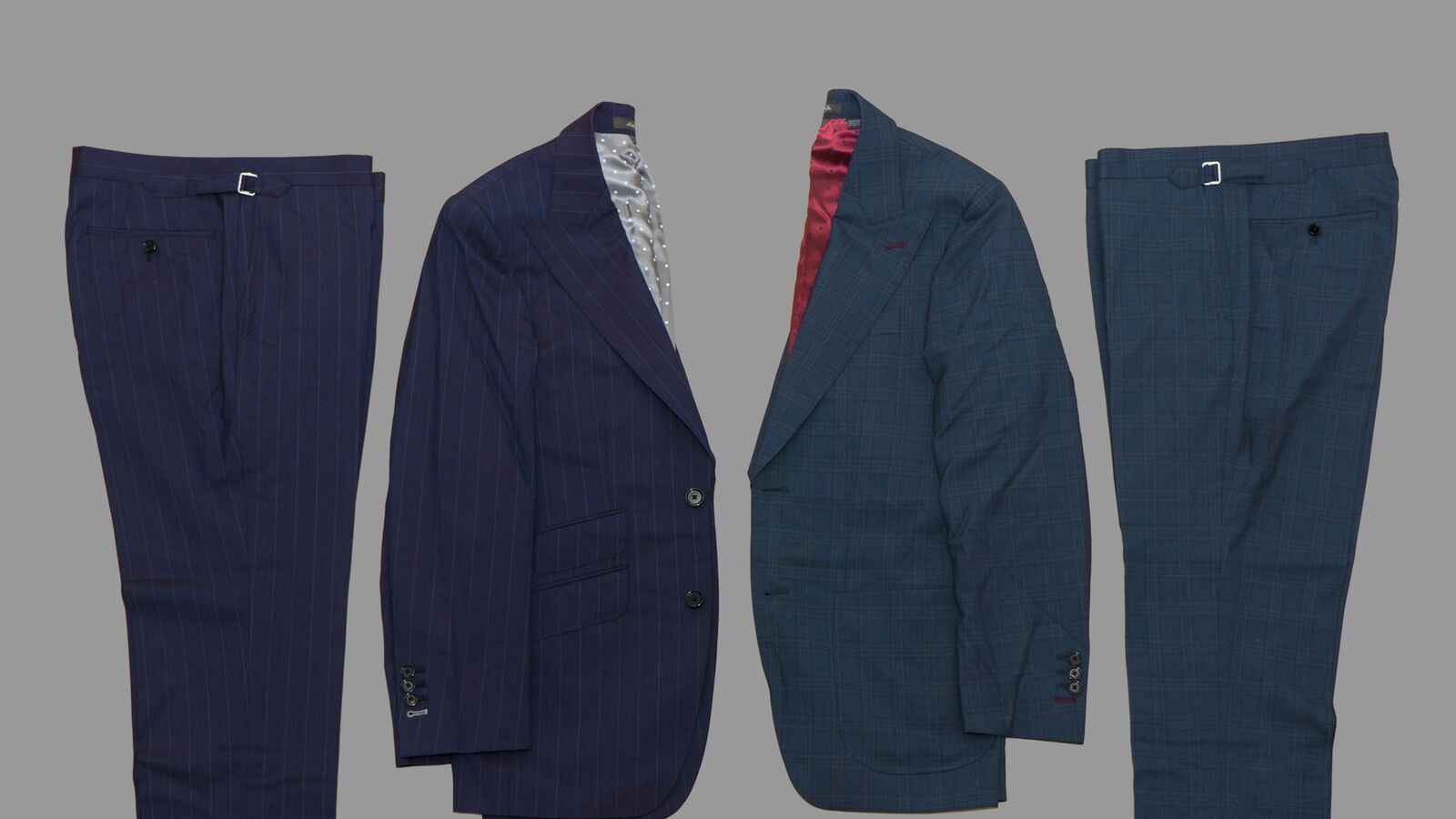
Solid, mid-tone colours work best. Avoid thin stripes, small checks and busy patterns, which can flicker on screen. Bring more than one outfit so the producer can choose what works against the set. If it's a financial or business channel, a well-fitted jacket is still the safe default.
Talk to the host, not the lens
Unless you're told otherwise, look at the person asking the question. Keep your eye line steady. Glancing around the studio reads as nervous or evasive on camera, even when you're just thinking.
Answer short, then stop
The biggest mistake I see: founders keep talking after they've landed the point. Aim for answers of 15 to 25 seconds. Give the headline first, one proof point, then stop. Silence feels long to you. It doesn't feel long to the viewer, and it gives the host room to ask the follow-up that lets you shine.
Energy up, pace down
Cameras flatten energy. Lift it about 20% above your normal conversation: more expression in your face, a warmer voice. At the same time, slow down. Nerves speed you up, and fast speech sounds unsure.
Assume the mic is always on
From the moment you're wired to the moment it's removed, everything you say can be heard. Keep the jokes about the competition for the car ride home.
Say the name of your company once, naturally
Don't turn the segment into an ad; hosts cut people off for that. Mention your company when it fits the answer, tie it to a result, and trust that viewers who are interested will search for you. That search is exactly why the next step matters.
After It Airs: Turn One Clip Into Lasting Authority
The interview lasts a few minutes. The asset lasts for years, but only if you use it. Earned media is powerful because a third party chose to put you on air. Your job is to make that endorsement easy to find.
- Get the file. Ask the producer how and when you'll receive the aired segment, and keep a clean copy. Links on network sites move or expire.
- Put it where people check you. Your website's press page, your LinkedIn featured section, your email signature, your speaker bio. When an investor, client or journalist searches your name, the clip should be one of the first things they find.
- Cut it into moments. Your three soundbites become three short clips. One interview can feed weeks of content, and each post points back to the full segment.
- Use "As seen on" with care. Only list outlets where you actually appeared, and link to the proof. Credibility built on exaggeration collapses the first time someone checks.
- Measure what matters. Views are nice. Better signals are who reached out afterwards, which deals moved faster, and which doors opened. I wrote about this difference in Vanity Metrics vs. Validation Signals.
One more thing: a TV appearance is not a one-off stunt. It's one layer of authority. It works best when it sits on top of published features and a consistent personal brand, so that everything a viewer finds after the segment tells the same story you told on air.
FAQ
Q1: How long should I prepare for a TV interview? Give yourself at least a week if you can. That's enough time to write your core message, build three soundbites, prepare for hard questions and rehearse on camera a few times. If you get a same-day booking, focus on your one sentence and your three soundbites.
Q2: What should I wear for a business TV interview? Solid, mid-tone colours and well-fitted clothes. Avoid thin stripes, tight patterns and very shiny fabrics. Bring a backup outfit and let the producer help you choose.
Q3: Do I get the questions in advance? Sometimes you'll get topics or sample questions, sometimes not. Either way, prepare as if the host will go off-script, because they often do. Your message and your bridges matter more than any list of questions.
Q4: Is media training worth it for founders? Yes, if it's practical. The best media training for executives is repetition on camera with honest feedback. Even a few recorded practice sessions will make you noticeably calmer and sharper on air.
Own the Story Before It Owns You
Meta had the budget to ship a whole new product to change a nickname. Most founders don't. You get a few minutes on air, and whatever story sticks is the one people will search for afterwards.
That's why I built 10x Experts: to help founders, executives and experts earn features in major publications and step into live TV interviews prepared, with a clear message and a plan for what happens after the segment airs. If you want to understand why this matters for your business, start with The Business Case for Authority. If you want the full framework for building a personal brand that leads, read Brand To Lead.
And if you're ready to get in front of the camera, reach out. Let's make sure the story they repeat is yours.
Sources
- Meta introduces camera-free AI glasses, TechCrunch, Sept 23, 2026.
- Meta May Have Found a Fix for Its 'Pervert Glasses', Decrypt.